August 7, 2026
Understanding the critical role of routine maintenance in ensuring efficient and long-lasting HVAC systems.
1. Why Are Regular HVAC Repairs Necessary?
A. Preventing System Breakdowns
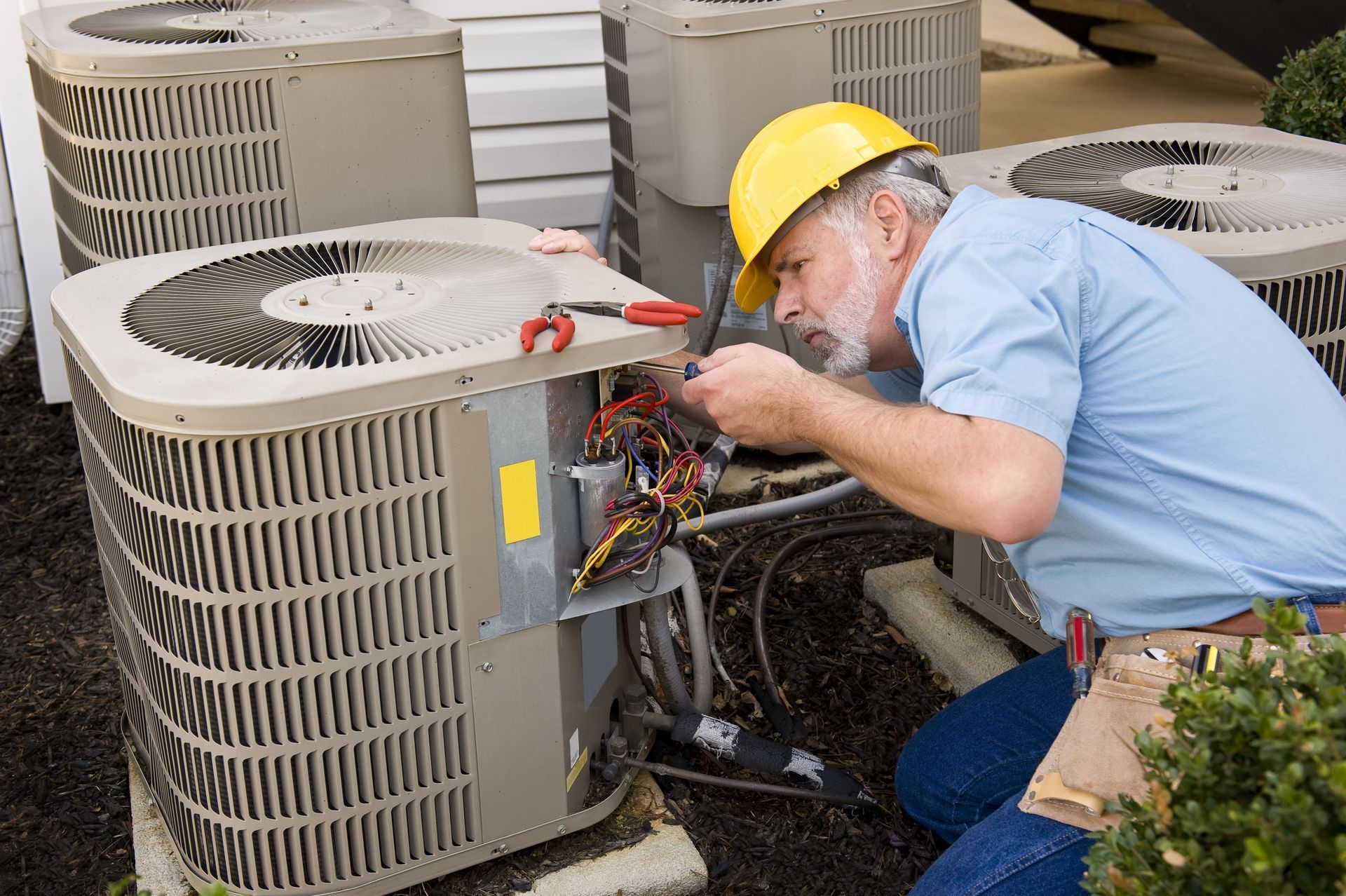
Regular HVAC repairs are crucial in preventing unexpected system breakdowns that can lead to costly emergency repairs. Routine maintenance allows technicians to identify and address potential issues before they escalate into major problems. By undertaking HVAC repairs proactively, homeowners can avoid inconvenient and uncomfortable situations caused by system failures. Ensuring HVAC systems remain functional minimizes downtime and contributes to the overall reliability of home comfort solutions.
Many homeowners undervalue the importance of preventive HVAC repairs, opting to handle issues as they arise. This reactive approach often results in multiple failures that could have been avoided with routine maintenance. Regular inspections and repairs identify worn-out components that may cause the system to malfunction, prioritizing their replacement or repair. An HVAC system that is consistently maintained can function smoothly without unexpected interruptions.
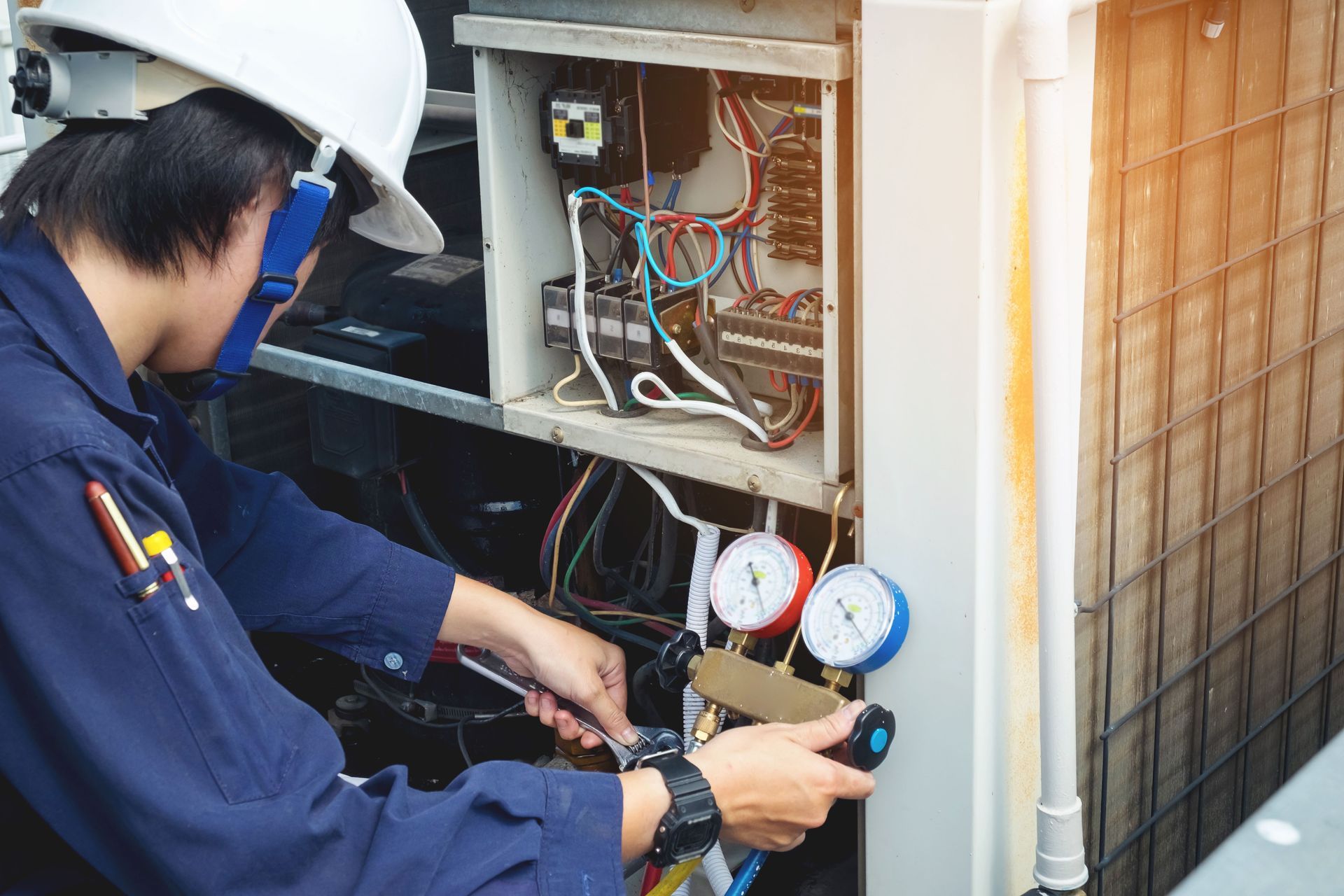
Thermostat issues, refrigerant leaks, and clogged filters are common problems that, if unchecked, can lead to system breakdowns. Regular HVAC repairs ensure that all system components, including electrical connections and mechanical parts, operate effectively. Routine check-ups and maintenance mitigate the risks of complete system failure and extend the appliance’s service life. Ultimately, preventive care and timely repairs maximize system reliability and efficiency.
B. Enhancing Performance and Efficiency
Regular HVAC repairs are integral to optimizing the performance and efficiency of heating and cooling systems. A well-maintained system consumes less energy, which is evidenced in lower utility bills. Over time, components such as coils and filters can become clogged, reducing airflow and forcing the system to work harder than necessary. Routine cleaning and repair enhance operational capacity, ensuring systems maintain peak performance and efficiency levels.
Investing in regular repairs ensures that HVAC systems function at optimal efficiency, leading to significant energy savings over time. HVAC repairs address inefficiencies caused by worn-out components that can compromise system performance. Effectively maintained equipment operates more efficiently, reducing the strain on mechanical components and preventing premature wear and tear. Consequently, homeowners not only save on energy costs but also extend the lifespan of their HVAC systems.
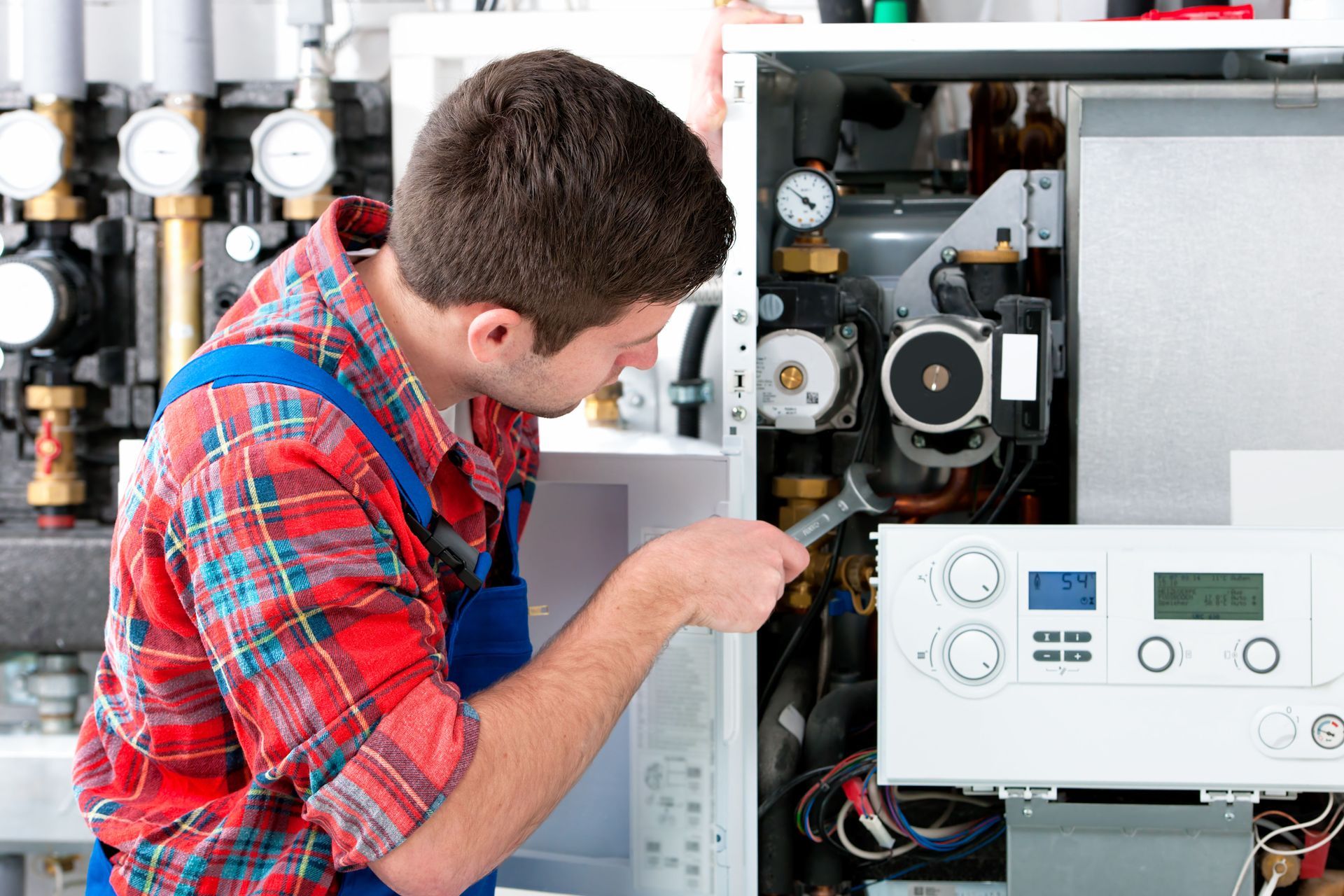
Technicians performing regular HVAC repairs are trained to optimize system settings and upgrade components to improve performance. The U.S. heating and air-conditioning contractor industry, according to IBIS World, employs 623,661 people across technical, management, and administrative roles, highlighting the significance of professional maintenance services. Through regular repairs, HVAC systems can achieve their intended efficiency levels, benefiting both the environment and homeowner budgets. Consistently maintaining HVAC systems results in improved comfort and better air quality.
2. How Often Should HVAC Systems Be Serviced?
A. Seasonal Maintenance Suggestions
Seasonal maintenance of HVAC systems ensures that they are prepared for intense seasonal demands and climatic changes. For optimal performance, HVAC systems should be serviced at the change of each season, such as spring, summer, fall, and winter. Such schedules allow technicians to fine-tune system settings to meet upcoming seasonal temperature variations, ensuring the equipment operates efficiently. Seasonal maintenance is a preventive measure that aligns operation efficacy with peak utility demands throughout the year.
Homeowners should establish a seasonal maintenance routine that includes essential checks and HVAC repairs. For instance, before summer's heat sets in, ensuring the air conditioning unit is in good condition prevents it from being overburdened. Similarly, heating systems should be inspected in the fall to confirm their operational readiness for winter's cold. In this way, seasonal maintenance safeguards homeowners from experiencing discomfort during extreme weather.
Implementing a seasonal maintenance plan involves checking system controls, cleaning coils, inspecting belts, and calibrating thermostats. Maintenance performed ahead of seasonal changes prevents minor issues from becoming severe, costly problems during peak usage times. By preemptively scheduling repairs each season, HVAC systems remain reliable and effective year-round. As the seasons change, a proactive approach to maintenance ensures systems consistently meet household demands.
B. Indicators for Immediate Repairs
Trouble indicators such as unusual noises, inconsistent temperatures, and increased energy bills signal that immediate HVAC repairs are necessary. These symptoms often indicate fundamental issues requiring prompt professional attention to prevent future complications. During routine inspections or unexpected malfunctions, experts are likely to discover underlying concerns that need addressing. Prompt action to remedy these issues prevents further damage and ensures safety and comfort inside the home.
Scheduling immediate HVAC repairs upon noticing abnormalities can save homeowners from costly emergency repairs. Abnormal odors emanating from air conditioning or heating units typically indicate overheating, mold, or electrical issues. Addressing these problems as soon as they are detected can prevent long-term damage and maintain the system's functionality. Homeowners can trust that swift action following these warning signs fosters an environment of safety.
Homeowners are responsible for being alert to the operational sounds and performance of their HVAC systems. Awareness of any deterioration helps identify the need for immediate repairs, reducing the risk of extensive damage and ensuring repairs are minor and managed timely. Partnering with professionals for regular assessments and repairs emphasizes a commitment to maintaining safe, efficient HVAC units. Vigilance in detecting warning signs minimizes disruption and elevates system reliability.
3. What Are the Risks of Ignoring HVAC Repairs?
A. Inefficient Energy Consumption
Neglecting regular HVAC repairs can lead to increased energy consumption as systems struggle to meet demand. When components become inefficient due to lack of maintenance, the extended effort needed to reach desired temperatures results in higher energy usage. HVAC systems operating below peak efficiency require more power, leading to soaring utility bills. Homeowners experience a substantial loss in financial savings over time if repairs and upkeep are ignored.
Overburdened HVAC systems consume more energy, translating to higher costs and unnecessary environmental impact. Regular HVAC repairs ensure that every system element works in concert, optimizing overall energy use. Properly maintained equipment reduces the environmental footprint by minimizing the energy needed for heating and cooling. By committing to scheduled maintenance, homeowners can enjoy both economic and ecological benefits.
Addressing inefficiencies early through regular repairs prevents energy waste and associated operational costs. Proactive identification of problems such as faulty thermostats and blocked airflow channels boosts system efficiency. HVAC systems that are well-cared-for allocate energy more effectively, reducing waste and optimizing resource use. Homeowners are able to conserve energy while maintaining comfortable home environments when systems operate efficiently.
B. Increased Costs Over Time
Omitting regular HVAC repairs can result in steep financial repercussions, escalating costs with time. The initial decision to skip maintenance may seem economical, but unforeseen breakdowns and system failures inevitably accrue higher expenses. Repairing a malfunctioning system typically comes with a premium price tag compared to preventive maintenance. Extended inactivity results in accumulated issues that require substantial budgetary allocations to rectify once they surface.
The financial strain of rising operational costs compounds when HVAC repairs are neglected over extended periods. Unchecked issues lead to intensive repair needs that incur high costs, which could have been avoided with a proactive approach. Investing in routine HVAC repairs ensures ongoing system efficiency and smooth functionality, effectively reducing unexpected financial burdens. Over time, homeowners observe cost efficiency when minor, manageable repairs prevent the need for major system overhauls.
Foregoing regular inspections causes overlooked issues to fester into complex problems necessitating costly solutions. Budgeting for regular maintenance, a practice many industry experts advocate, becomes more feasible than dealing with sporadic yet expensive repairs. Preventive upkeep calculates to low long-term costs, whereas irregular service intervals inflate maintenance overheads. Comprehensive strategies incorporating scheduled repairs yield significant financial savings and peace of mind by offsetting potential over-expenditure.
Emphasizing the ultimate value of regular HVAC maintenance in achieving a balance between cost efficiency, safety, and comfort. Investing in routine repairs is crucial for containing energy costs, ensuring effective performance, and maintaining optimal indoor air quality. Homeowners benefit significantly when professional technicians provide comprehensive system evaluations and efficient solutions tailored to specific HVAC needs. Committing to preventive repairs transforms property ownership by enabling efficient resources management and upholding superior living standards. Reach out to J Halligan & Sons today to see how we can help you!